The MYBA Agreement for Crewed Charters: Who Signs It and What 2016 Changed
Table of Contents
A crewed Mediterranean charter is normally booked on the standard contract of the Mediterranean Yacht Brokers Association (MYBA). The MYBA charter agreement is signed by the charterer, the yacht owner, the charter company and a stakeholder that holds the funds, while the captain runs the charter without signing it. You will also be asked for identification documents for the contract. Read the signatory, funds and 2016 clause wording first. The criterion is whether those terms and a listed yacht's crew and cabins fit the charter you are actually booking.
What is the MYBA agreement and who keeps it updated?
MYBA The Worldwide Yachting Association is the creator of the MYBA Sales & Purchase Agreement (MoA) and the MYBA Charter Agreement. The same body is long known as the Mediterranean Yacht Brokers Association, and its standard contract is the one used for weekly crewed charters in the Mediterranean.
In practice that makes it the form commonly used for weekly crewed charters in the region, so a draft handed to you is likely to follow it rather than a one-off text written by one side. Read the draft with that in mind: the wording is industry-standard, and your attention belongs on the parts that change from booking to booking.
Both contracts, and the associated documents that travel with them, are regularly updated as regulations and the global market change. A draft therefore belongs to a particular edition of the form, and the edition decides the wording you are agreeing to. Ask us which dated version the draft follows before you start marking it up.
Because the form itself is standard, the reading that matters is narrow: who is named, where the money sits, and which clauses the current edition changed.
Who signs the agreement and who holds the charter funds?
The charterer, the yacht owner, the charter company and a stakeholder sign the agreement, the stakeholder being the neutral party that holds the charter funds, and the captain does not sign it but runs the charter for the owner. Identification documents are requested for the contract itself.
Two things follow for anyone signing on behalf of a family or a company. The charterer's line should carry the name that will hold the obligations and receive the invoices, which is rarely the individual who happened to open the conversation. The identification then has to match that name, so a late switch from an individual to a company, or the reverse, is the kind of change best settled before the draft is issued for signature.
The fund holder deserves the same attention as the signatories. Charter money moves to a party that is neither the owner nor the charter company. The stakeholder should therefore appear in the draft as a name rather than as a role. Ask who that named stakeholder is, and have the identification ready in the contract names before the draft returns for signature.
For a corporate or family-office signatory, that structure answers an internal question before it is asked. Between signature and the end of the charter, the funds sit with a stakeholder that signs alongside you, the yacht owner and the charter company.
Which clauses did the 2016 amendments change?
Most of the changes in the revised MYBA Charter Agreement are minor qualifiers meant to clarify pre-existing clauses, while the significant amendments were made to Clause 19, on incidences of salvage, and Clause 20, on the payment of charter fees and other monies to the owners. The 2016 amendments were released in May 2016.
For a charterer that makes the reading job a short one. Two clauses deserve line-by-line attention, and the rest of the form reads at the pace of anything standard. Two drafts of the same form can still differ where it matters most to your party, so the version question is not a formality.
The release month also sorts any draft in circulation. A text drawn up before that month cannot contain these amendments, and a later one should say which edition it follows. Clause 20's subject is the route your money takes to the owner, so ask us to walk that route through on the version in front of you: who releases the balance, on what event, and what closes the charter on paper.
Ask us which edition the draft in front of you follows, and ask for that answer in writing next to the draft itself. Check that the clause numbers in your copy match the numbers we quote back to you, and ask for a clean copy if they do not. If the draft is unnumbered or arrives as part of a longer booklet, ask for the full form rather than an extract. Request the same confirmation for the annexes, the delivery and redelivery details and the guest list, so the dates, the guest numbers and the money you have been quoted all sit on one version of the paperwork rather than across two.
Qualifiers are the easiest thing to skim and the easiest thing to be surprised by later, because a qualifier narrows or widens a clause that was already there. Read the two amended clauses first, then the qualifiers sitting around the obligations that matter to your charter: the dates, the guest numbers and the money.
How does Clause 19 share salvage benefits?
Clause 19 provides that the benefits from any derelicts, salvages and towages arising during the charter period are shared equally between the Owner and the Charterer, after paying the crew's proportion, a share of the charter fee covering the hours the yacht spends assisting a salvage, and the costs run up over that same period that bear directly on it.
MYBA reverted to the wording that existed in the 2002 agreement, after the committee decided that version explained the process more clearly. For a charterer the mechanism then reads plainly. Three deductions come off the benefits before anything is divided, so the equal split applies to the remainder rather than to the gross amount.
In the 2016 revision the clause carries the restored 2002 text. Commentary written against that older agreement can therefore still describe the mechanism as it stands in that edition. The clause is an easy one to sign unread, so give it to whoever would handle a claim months later rather than to whoever is choosing the dates, and check which edition the agreement in front of you follows.
Salvage belongs with the money questions for a structural reason: a benefit arrives, deductions are made, and a balance is divided. Read it next to Clause 20 so both money routes stay in view, the fee going out and any benefit coming back.
What to check before you sign
Put the following to us in writing before anyone signs:
- The identification documents the contract requires, since they are requested for the agreement itself.
- How and when the charter fee and other monies reach the owner under Clause 20.
- Which dated version of the agreement the draft follows, and whether it carries the 2016 amendments.
- Who the named stakeholder holding the funds is, and how that party is described in the draft.
- The charter dates, the hours they cover, and what the quoted fee does and does not include.
Written answers turn a long form into two or three places that need a lawyer's eye, and they stay on file in a way a telephone call does not. Keep them in one message rather than a thread, so the reply can be read as a single document beside the draft. Each answer should name a party, a date or an amount rather than offer a reassurance.
Related planning reading sits in the Nero Line luxury travel and rental guides.
Which listed yacht suits your charter?
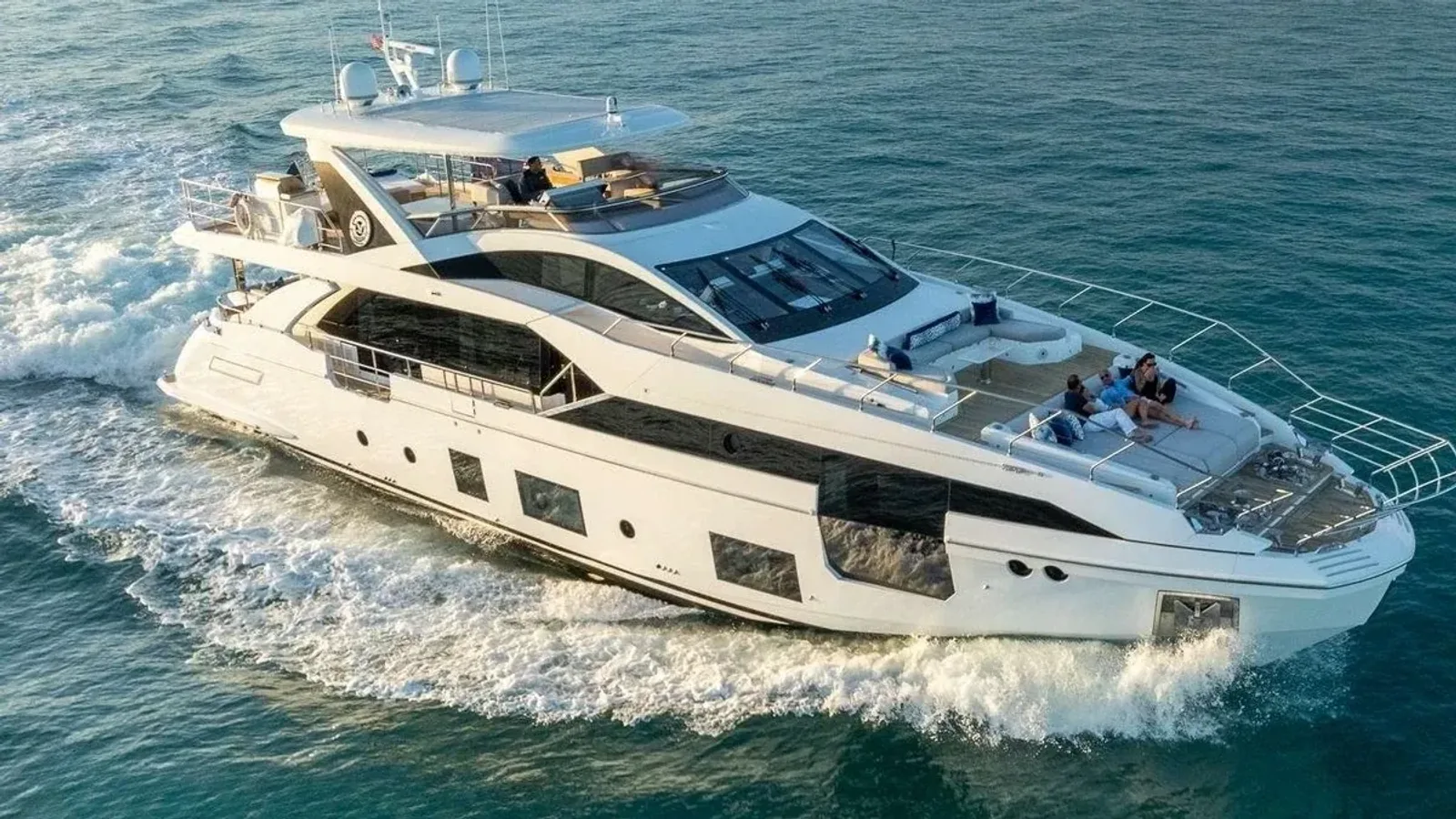
Among the current listings, the Bali 5.4 is a catamaran and the Azimut Grande 27 a motor yacht, both listed at the same guest capacity. The Azimut Grande 27 is based in Marbella. The Bali 5.4 is based in Mallorca. The Azimut Grande 27 and the Bali 5.4 are both listed as available, with the day and week rates that follow, as of October 2026.
Crew are listed for both the Azimut Grande 27 and the Bali 5.4. Match the cabin count against the guest list, since the same capacity divides differently between couples, children and single travellers.
If couples and children are travelling together, ask how each cabin is configured and which cabins share a companionway before settling on a hull.
Shortlist further hulls in the yacht charter collection, or look across the wider luxury yacht charter fleet if neither of these two suits the party.
When the shortlist is down to one yacht, send your dates, party size and preferred cruising area for availability and a quote.
| Yacht | Body | Seats | Cabins | Crew | Base city | Price per day | Price per week |
|---|---|---|---|---|---|---|---|
| Azimut Grande 27 | Motor yacht | 10 | 4 | 4 | Marbella | EUR 5,500 per day | EUR 33,000 per week |
| Bali 5.4 | Catamaran | 10 | 5 | 3 | Mallorca | EUR 3,200 per day | EUR 19,000 per week |
We would choose the Bali 5.4 for a catamaran deck plan with its extra cabin, and the Azimut Grande 27 for an enclosed motor-yacht interior.
Enquire about crewed yacht charters in Spain
Frequently asked questions
Does the captain sign the MYBA charter agreement?
The captain does not sign the MYBA charter agreement; the charterer, the yacht owner, the charter company and the stakeholder sign it, and the captain runs the charter for the owner. Treat the captain as the person who delivers your week rather than as a party to the contract, and query any draft that leaves a signature line for the master.
Who holds the charter funds?
The stakeholder holds the charter funds, and signs the agreement alongside you, the yacht owner and the charter company. Confirm the stakeholder's name on the draft before signature, so the party holding the money is identified rather than implied.
When were the 2016 MYBA amendments released?
The 2016 amendments to the MYBA Charter Agreement were released in May 2016. The significant changes sat in Clause 19, on incidences of salvage, and Clause 20, on the payment of charter fees and other monies to the owners, while most other changes were minor qualifiers.
How are salvage benefits split under Clause 19?
Equally between the Owner and the Charterer, once the crew's proportion, a proportion of the charter fee for the time spent providing salvage assistance and the expenses directly related to the salvage have been paid. The equal split therefore applies to what is left after those three deductions, not to the gross benefit.
What does a listed crewed yacht cost per day?
Among the current listings, the Azimut Grande 27 is listed at EUR 5,500 per day and EUR 33,000 per week, observed 7 October 2026. The Bali 5.4 is listed at EUR 3,200 per day and EUR 19,000 per week on the same observation.