We use cookies

We use cookies to enhance your experience, personalize content and analyze traffic. Accept all or customize your preferences. Privacy Policy and Cookie Policy.

    Multi-day Switzerland tour

    Grand Tour of Switzerland highlights in four days

    Appenzell, the Engadine, three high passes, the road to Zermatt and Lake Geneva: 706 km and about 10 h 50 min of driving over 4 days.

    The Grand Tour of Switzerland is Switzerland Tourism's official touring route around the country, signposted along the way and divided into eight stages. This four-day selection follows parts of it from Zurich to Lausanne: Appenzell and St. Moritz, the Albula and Oberalp passes, the Furka, which is the highest point of the Grand Tour at 2,429 m, Täsch for car-free Zermatt, and Lake Geneva. In total it is 706 km with about 10 h 50 min of driving without stops. You can also drive it in reverse from Lausanne. The high passes close in winter.

    The drive, stage by stage

    1. Day 1: Zurich to Appenzell and St. Moritz

      The car is delivered to you in Zurich. The first leg follows the first stage of the Grand Tour, Zurich to Appenzell. After a stop in Appenzell, continue to St. Moritz, where the Grand Tour's second stage ends. Our route takes the motorway south past Chur, then the valley road to Tiefencastel and over the Julier pass into the Engadine. This is the longest day, so leave Zurich in the morning and stay the night in St. Moritz.

    2. Day 2: St. Moritz over the Albula and the Oberalp to Andermatt

      Drive down the Engadine to La Punt Chamues-ch and cross the Albula pass, a narrow road in places, with a long descent through Bergün. From Tiefencastel the route runs towards Thusis and then west along the valley road through Disentis to the Oberalp pass, on the line between Graubünden and Uri. The descent brings you into Andermatt for the night.

    3. Day 3: Andermatt over the Furka to Täsch

      Leave Andermatt through the Urseren valley and Realp and climb the Furka, the highest point of the Grand Tour, with views of the Rhône glacier. The descent leads to Gletsch and down the upper Rhône valley towards Visp, then up the valley to Täsch. Zermatt is car-free: the road ends in Täsch, where the shuttle train takes you on. Stay in Täsch or take the train up to Zermatt for the night.

    4. Day 4: Täsch to Lake Geneva and Lausanne

      Drive back down to the Rhône valley and follow it west by motorway towards Lake Geneva; the Grand Tour's fifth stage also runs from Zermatt to Lausanne. Beyond Montreux the motorway runs above the lake past the Lavaux terraces to Lausanne, where the tour ends. Tell us where you finish, so the written offer covers the return of the cars.

    Route map

    1
    2
    3
    4
    5
    6
    7
    8
    9
    Leaflet Esri | Route © OpenStreetMap

    Click or tap the map to zoom with the scroll wheel

    Stops in order

    1. Zürich
    2. Appenzell
    3. St. Moritz
    4. Albula Pass
    5. Oberalp Pass
    6. Furka Pass
    7. Täsch
    8. Montreux
    9. Lausanne
    Open in Google Maps

    Places worth stopping

    • Appenzell

      The end of the Grand Tour's first stage and a natural first break on day one, before the long drive south to the Engadine. Walk the village centre before you set off.

    • St. Moritz

      The end of the Grand Tour's second stage and your first overnight stop. Leave the car at your hotel and explore the town and the lake on foot.

    • Oberalp pass

      The pass on the line between Graubünden and Uri, crossed on day two. Regroup at the summit before the descent to Andermatt. Park only in marked areas.

    • Furka pass

      The highest point of the Grand Tour of Switzerland, with views of the Rhône glacier and a sign recalling the car chase filmed here for the 1964 film Goldfinger.

    • Täsch and Zermatt

      The road for private cars ends in Täsch; Zermatt is car-free and reached by shuttle train. Park the cars in Täsch and spend the evening in Zermatt.

    • Lavaux terraces

      The terraced vineyards above Lake Geneva, a UNESCO World Heritage site between Montreux and Lausanne. A last stop before the tour ends in Lausanne. The motorway passes above them.

    When to drive it

    Several passes on this tour close in winter. The official pass status page lists the usual winter closure of the Albula as December to May, the Oberalp as December to April and the Furka as November to June, and the dates change every year with the snow. Check the live status linked on this page while you plan and again before each day.

    Plan the tour for summer or early autumn, when all the passes are open. The driving adds up to about 10 h 50 min over 4 days, which leaves time each day for long stops and evenings without a schedule. Start each mountain day in the morning.
    The roads

    The tour mixes motorways, valley roads and high passes. The Albula has some very narrow passages; the Oberalp and the Furka are classic pass roads with hairpins, shared with coaches, cyclists and motorcycles. Use low gears on the long descents and give way where the road is tight. The Grand Tour itself is marked with its own road signs.

    On Swiss motorways the general limit is 120 km/h, on other roads outside built-up areas 80 km/h and in built-up areas 50 km/h, unless signs show otherwise. Switzerland punishes serious speeding very severely, with licence withdrawal and, in the worst cases, prison and confiscation of the car. The motorway sections need a valid Swiss motorway vignette.

    Which car suits it

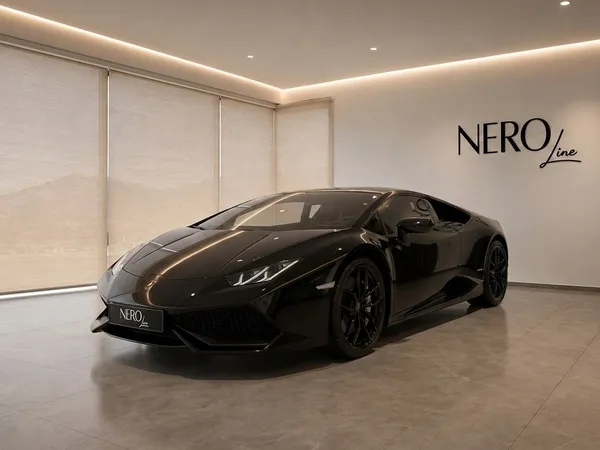
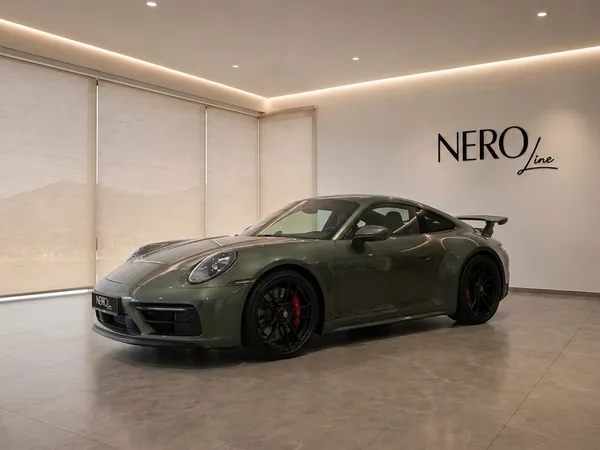
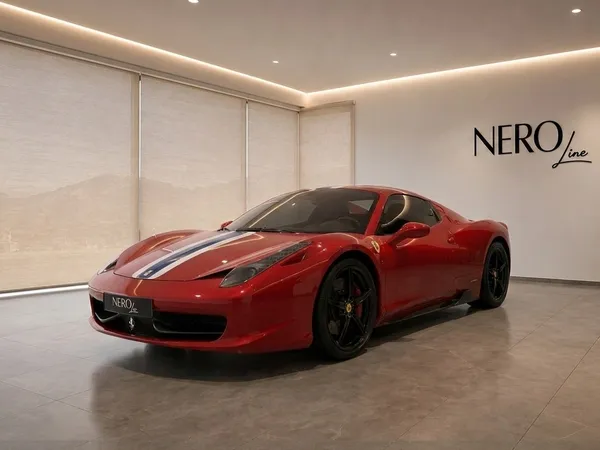
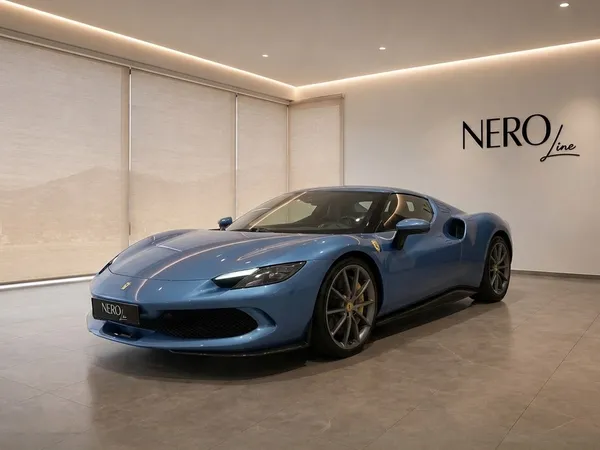
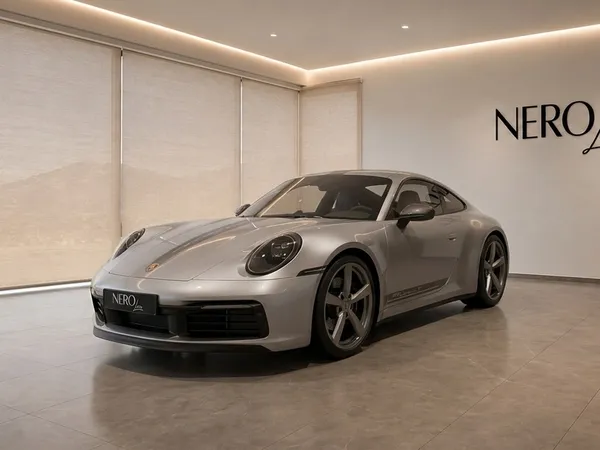
    Four days means luggage. A grand tourer is the natural choice: comfortable on the motorway days, capable on the passes and with space for bags. An SUV suits a couple or a family with more luggage. A convertible makes the most of the Engadine and the lake.

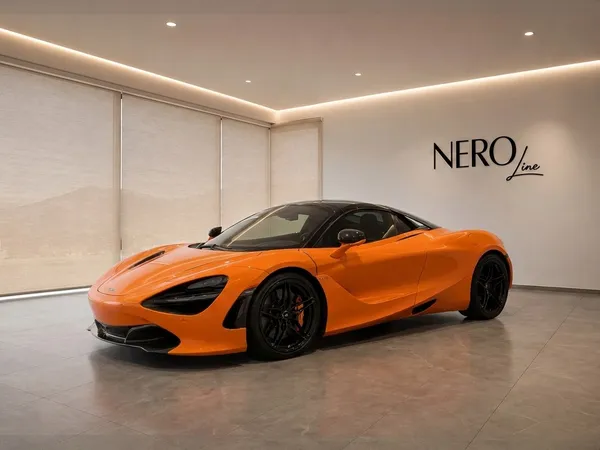
    If you want a supercar or a convertible for the passes, pair it with a grand tourer or an SUV in the group, or add a support vehicle that carries the bags, so every car can travel light. The run sheet records which car carries what.

    Driving it as a group

    A multi-day tour with several cars needs a written plan: daily start times, regroup points, lunch stops and where everyone stays. The run sheet sets this out, and the named coordinator keeps it current if the weather closes a pass.

    With a Nero Line lead car, a guide drives ahead each day at a legal pace and leads the group through the turns and onto the passes. A support vehicle following the group carries the luggage between overnight stops and stays with any car that needs help. Both are options you choose.

    Several cars

    Plan this as a group

    Driving this road with friends, clients or a team? We match the cars and deliver them to where the group starts, plan the day with a written run sheet and a named coordinator, and can add a lead car driving ahead and a support vehicle following behind.

    Plan this as a group

    FAQ

    Questions about this route