We use cookies

We use cookies to enhance your experience, personalize content and analyze traffic. Accept all or customize your preferences. Privacy Policy and Cookie Policy.

    Driving route · Catalonia

    Barcelona to the Costa Brava: the GI-682 from Tossa de Mar to Sant Feliu de Guíxols

    Leave Barcelona on the coast motorway, then trade it for the cliff road that bends above the coves between Tossa de Mar and Sant Feliu de Guíxols. About 1 h 40 min at the wheel without stops.

    The GI-682 Costa Brava coast road links Tossa de Mar and Sant Feliu de Guíxols along the cliffs of the southern Costa Brava, and Spain's official tourism site recommends it for its viewing points. From Barcelona the drive covers 110 km one way, about 1 h 40 min without stops: an easy motorway run up the Maresme, then a narrow, constantly turning road above pine-backed coves. It suits a relaxed day out in a convertible or grand tourer, with lunch in either town and the afternoon light on the water for the return.

    The drive, stage by stage

    1. Barcelona to the Maresme

      Leave the city on the coast road and join the C-32 motorway along the Maresme, with the railway and the beaches on your right. The motorway on this side of Barcelona no longer charges a toll, so the first part of 1 h 40 min is simple cruising. Fill up before you leave the motorway, so the cliff section and the return need no fuel stop.

    2. Inland to Tossa de Mar

      The motorway ends and local roads take you through the hills behind Lloret de Mar to Tossa de Mar. Traffic slows here in summer, so allow time. Park at the edge of town and walk to the old walled quarter above the beach before you start the coast road proper.

    3. The GI-682 from Tossa to Sant Feliu

      North of Tossa the GI-682 climbs onto the cliffs and stays there, bending around every headland with the sea below. The road is narrow, the bends are blind and there is little room to pass, so keep a steady pace and use the marked lay-bys to stop for the views rather than pulling over on a bend.

    4. Into Sant Feliu de Guíxols

      The road drops into Sant Feliu de Guíxols, a working town with a long seafront and a harbour. It is the natural place for lunch and a rest before the return. Drive back the same way for the coast in the opposite light, or take the faster inland roads to the motorway.

    Route map

    1
    2
    3
    Leaflet Esri | Route © OpenStreetMap

    Click or tap the map to zoom with the scroll wheel

    Stops in order

    1. Barcelona
    2. Tossa de Mar
    3. Sant Feliu de Guíxols
    Open in Google Maps

    Places worth stopping

    • Tossa de Mar walled town

      Tossa's medieval walled enclosure stands on the headland above the main beach. Walk up through the gate for the view along the coast you are about to drive, then return to the car before the afternoon crowds arrive.

    • Viewpoints on the GI-682

      The cliff road has several marked viewing points with space to pull off. They look down onto small coves where the pines grow almost to the water. Use them for photographs and to let faster local traffic pass.

    • Sant Feliu de Guíxols seafront

      The end of the coast road is a town with a broad promenade and harbour. Park once and walk: the seafront, the old streets behind it and the harbour wall are all within a short stroll of each other.

    • Lloret de Mar coast

      If you want one more beach before the cliffs, Lloret de Mar sits just south of Tossa. It is a large resort and busy in summer, so treat it as a quick look rather than a long stop on a full day.

    When to drive the Costa Brava coast road

    Spring and autumn are the best months for the GI-682: the light is clear, the towns are calm and the road carries less holiday traffic. In July and August, Tossa and the road behind Lloret de Mar fill up from late morning, so leave Barcelona early and reach the cliff section before the beach traffic.

    Weekends bring more traffic of every kind to the coast road. A weekday departure gives you more space on the bends. Plan the return for late afternoon, when the low sun lights the coves and the motorway back to Barcelona is still flowing.
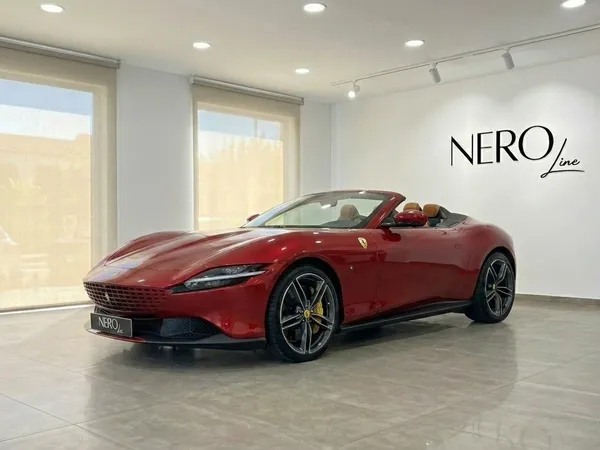
    The GI-682 itself

    This is a narrow two-lane road cut into the cliff, with blind bends and very few straight sections. Overtaking is rarely possible or sensible. Expect cyclists on the climbs and larger vehicles on the approaches to both towns, and keep well to your side of the road on every bend.

    The motorway section from Barcelona is toll-free on the Maresme side. Arrive in Tossa with enough range for the coast and the return, so the drive is not interrupted by a search for fuel. In both towns, park at the edge of the centre and walk in.

    Which car suits it

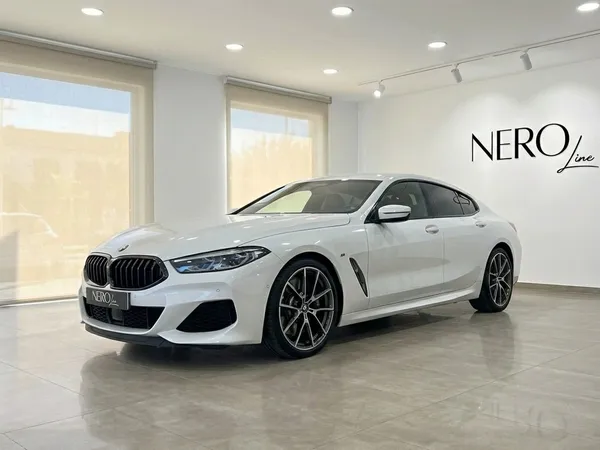
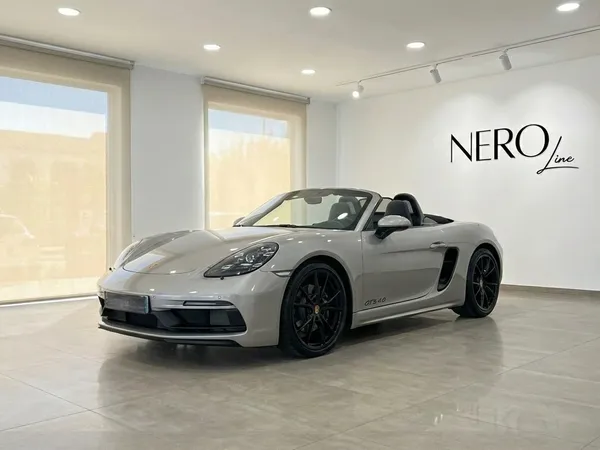
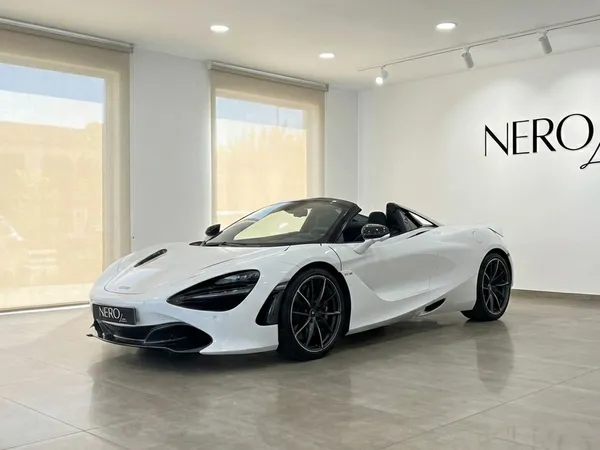
    A convertible is the natural choice: the coast road is about views, sea air and the sound of the car between the cliffs, not about pace. A compact grand tourer is equally comfortable, and its luggage space helps if you stay overnight on the Costa Brava.

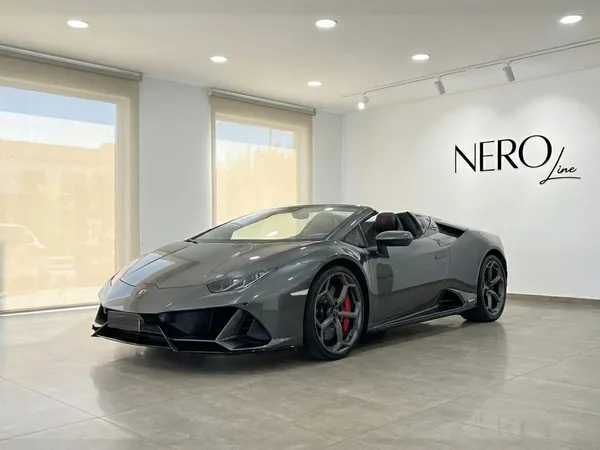
    A wide supercar works on this road if you are relaxed about narrow bends and buses coming the other way, but it asks for care on the approaches and in town car parks, where space is tight. An SUV is comfortable but hides some of the view behind its height.

    Driving the GI-682 as a group

    On a narrow cliff road a group stays together by keeping a steady, legal pace set by the Nero Line lead car, with gaps wide enough for local traffic to pass at the lay-bys. The run sheet names the regroup points: the motorway exit before Tossa, a car park in Tossa and the edge of Sant Feliu.

    The support vehicle follows the last car with the luggage and handles assistance if anyone needs it. Your coordinator plans the fuel stop on the motorway before the cliffs and chooses car parks in both towns where several cars can stand together, so nobody circles looking for space.

    Several cars

    Plan this as a group

    Driving this road with friends, clients or a team? We match the cars and deliver them to where the group starts, plan the day with a written run sheet and a named coordinator, and can add a lead car driving ahead and a support vehicle following behind.

    Plan this as a group

    FAQ

    Questions about this route